NFL centers play one of the most physically demanding positions in football. Located in the heart of the offensive line, they face aggressive contact on almost every play, making them prone to a variety of injuries. Centers are responsible for snapping the ball, blocking defensive linemen, and reading the defense. Each action requires physicality, strength, and precision, but it also increases their exposure to specific types of injuries. Understanding these injuries, their causes, and prevention techniques is crucial for keeping centers healthy and effective throughout the grueling NFL season.

Knee Injuries
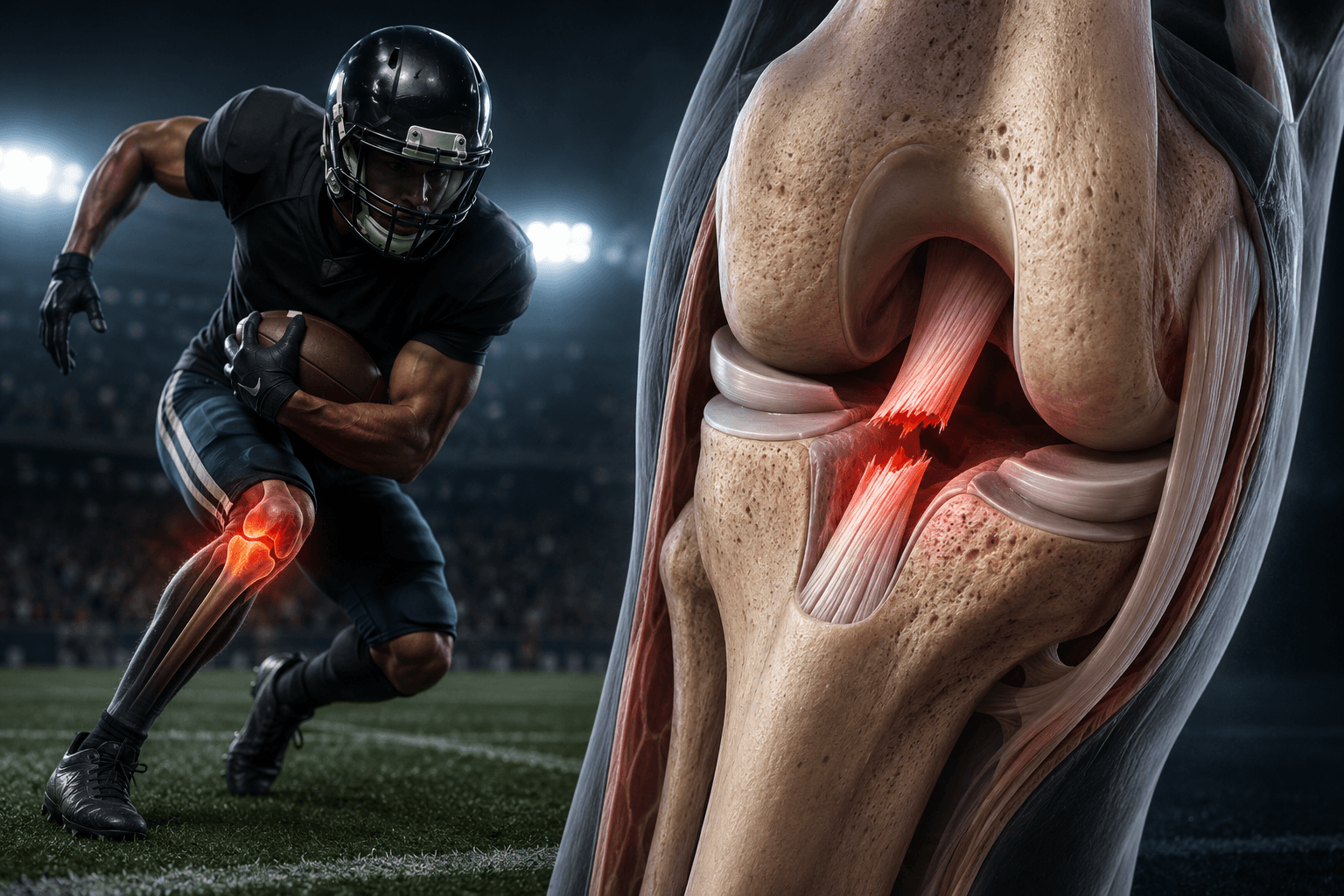
Knee injuries are among the most prevalent and serious concerns for NFL centers. The frequent pivoting, blocking, and contact from opposing players make their knees vulnerable to injuries such as: Anterior Cruciate Ligament (ACL) Tears: The ACL provides stability to the knee joint, and an awkward tackle or sudden twist can result in its tear. Given the center’s role in blocking defensive rushes while staying grounded, any imbalance or lateral hit can lead to ACL injuries. Medial Collateral Ligament (MCL) Sprains: MCL injuries often result from lateral impact to the knee, common during collisions in the trenches. Centers are regularly involved in scrums where knees can be caught in awkward positions. Meniscus Tears: The meniscus acts as a cushion between the thigh and shin bones. Quick stops, turns, or direct trauma during blocking assignments can cause the meniscus to tear, leading to significant pain and instability. Knee injuries can severely impact a player’s ability to stay low in their stance and generate the explosive power needed to fend off defenders. Recovery from these injuries often requires surgery and extended rehabilitation.Shoulder Injuries
Centers rely heavily on their shoulders for blocking, pushing, and maintaining leverage. Repeated collisions can cause various shoulder injuries, including: Rotator Cuff Tears: The rotator cuff consists of muscles and tendons that stabilize the shoulder joint. Continuous pushing against defensive linemen puts immense stress on the shoulder, leading to tears in these muscles. Labral Tears: The labrum is the cartilage that stabilizes the shoulder socket. A center may sustain a labral tear when blocking or tackling, especially if their arm is pulled forcefully. These injuries are common due to the repeated pushing and lifting motions required by the position. Dislocations: The constant impact and strain placed on a center's shoulders can also lead to dislocations. A shoulder dislocation happens when the arm bone pops out of the shoulder socket, often causing long-term instability if not treated properly. Shoulder injuries can affect a center's ability to snap the ball accurately, hold blocks, or engage with defenders effectively, making it challenging to perform consistently.Back Injuries
Centers spend a large portion of their time in a crouched or bent-over stance, which can lead to significant strain on their lower back. Over time, this can result in: Lumbar Strains: The repetitive bending, twisting, and explosive movement from a low stance can strain the muscles and ligaments in the lower back. These strains can cause intense pain, limiting mobility and flexibility. Herniated Discs: Centers are at risk of developing herniated discs due to the constant pressure placed on their spine. A herniated disc occurs when the soft tissue between the vertebrae pushes out, pressing on nearby nerves. This injury can cause pain, numbness, and weakness in the lower body. Sacroiliac Joint Dysfunction: The sacroiliac joint connects the lower spine to the pelvis and can become inflamed due to the repetitive motions involved in snapping and blocking. This condition causes pain in the lower back and hips, making it difficult for centers to maintain their stance or generate power. Back injuries can significantly affect a player's ability to maintain a strong base and endure the physical demands of the game.